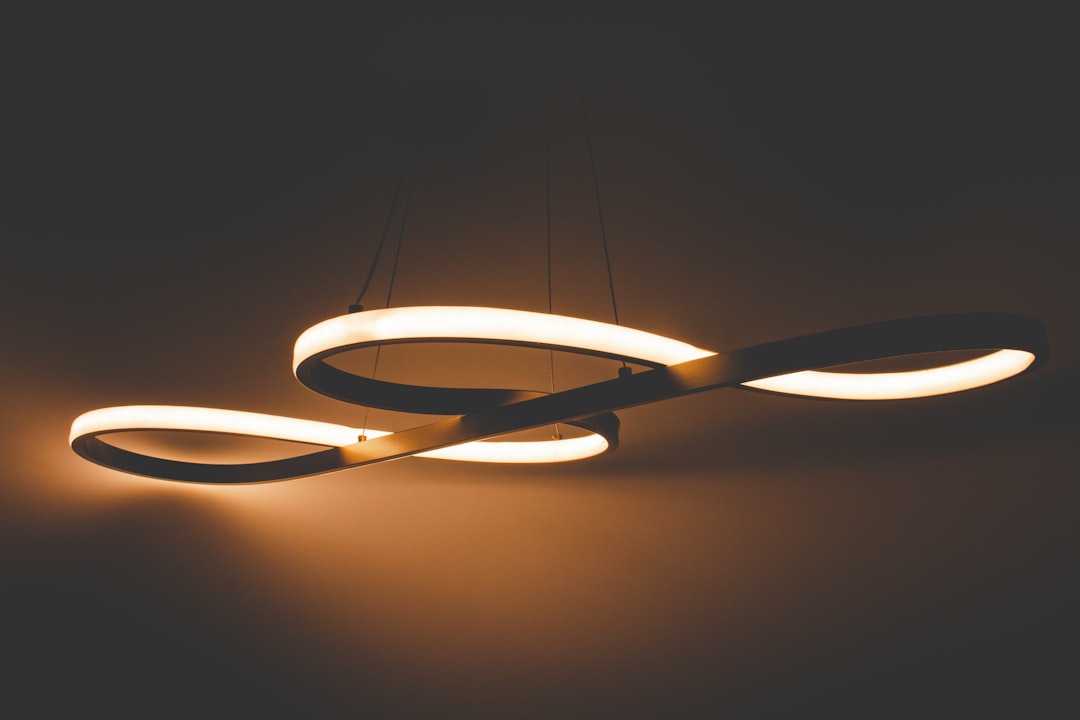
Pendant lighting has evolved from simple functional fixtures to stunning design statements that define modern interiors. As we move through 2025, contemporary pendant lights are breaking boundaries with innovative designs, sustainable materials, and smart technology integration. Whether you're renovating your kitchen, dining room, or living space, understanding these trends will help you make informed decisions about your home's illumination.
The Rise of Geometric Designs
Geometric pendant lights have taken center stage in contemporary interior design. These fixtures feature clean lines, angular shapes, and mathematical precision that creates visual interest without overwhelming the space. From hexagonal clusters to sculptural polyhedrons, geometric pendants serve as functional art pieces that complement minimalist and modern aesthetics.
The beauty of geometric designs lies in their versatility. They work equally well in industrial lofts, Scandinavian-inspired homes, and contemporary apartments. The interplay of light and shadow created by these angular fixtures adds depth and dimension to any room, transforming ordinary spaces into architectural showcases.
Organic and Natural Materials
In response to growing environmental consciousness, designers are increasingly incorporating natural materials into pendant lighting. Bamboo, rattan, cork, and sustainable woods are being crafted into beautiful fixtures that bring warmth and texture to modern interiors.
Eco-Friendly Lighting Choices
Today's homeowners are seeking lighting solutions that align with their environmental values. Natural material pendants not only reduce environmental impact but also create a connection to nature within indoor spaces, promoting wellness and tranquility.
Popular Natural Material Options:
- Bamboo: Lightweight, renewable, and incredibly versatile for creating both minimalist and intricate designs
- Rattan: Offers a bohemian aesthetic with excellent light diffusion properties
- Cork: Provides unique texture and excellent acoustic properties
- Reclaimed Wood: Adds character and history while promoting sustainability
- Woven Fibers: Creates interesting patterns and soft, diffused lighting
Oversized Statement Pieces
Gone are the days when pendant lights were merely functional. Today's trend embraces bold, oversized fixtures that command attention and serve as room centerpieces. These dramatic pendants work particularly well in spaces with high ceilings, creating vertical interest and drawing the eye upward.
Large-scale pendants are especially popular in dining areas, where they can be hung low over tables to create intimate lighting while making a powerful design statement. The key to successfully incorporating oversized pendants is ensuring they're proportionate to the room size and ceiling height.
Mixed Metal Finishes
The strict rule of matching all metal finishes in a room has been replaced by a more eclectic, personalized approach. Contemporary pendant lighting often features combinations of brass and black, copper and chrome, or bronze and nickel, creating visual depth and sophistication.
This trend allows for greater flexibility in design and makes it easier to integrate new lighting fixtures with existing décor. The key is to maintain some consistency – perhaps repeating one of the metals in other room elements to create cohesion.
Smart Lighting Integration
Modern pendant lights are increasingly incorporating smart technology, allowing homeowners to control brightness, color temperature, and even color through smartphone apps or voice commands. This functionality adds convenience while enabling users to customize their lighting to match activities, moods, or times of day.
Technology Meets Design
Smart pendant lights can be programmed to simulate natural daylight patterns, potentially improving sleep quality and overall wellbeing. Some advanced models even include speakers or air purification features, transforming simple light fixtures into multifunctional home devices.
Minimalist Linear Designs
Linear pendant lights featuring sleek, horizontal designs are perfect for modern kitchens and dining areas. These fixtures often incorporate LED strips or multiple small bulbs arranged in a row, providing even illumination across long surfaces like kitchen islands or dining tables.
The minimalist aesthetic of linear pendants makes them incredibly versatile. They complement contemporary, mid-century modern, and even transitional design schemes, while their horizontal orientation helps visually widen narrow spaces.
Artisanal and Handcrafted Elements
In contrast to mass-produced fixtures, there's growing appreciation for handcrafted pendant lights that showcase artisanal techniques. Blown glass, hand-forged metal, and ceramics add unique character and authenticity to interiors, ensuring no two fixtures are exactly alike.
These artisanal pieces often become conversation starters and family heirlooms, carrying stories of their creation and adding soul to modern spaces that might otherwise feel sterile or impersonal.
Choosing the Right Pendant for Your Space
When selecting contemporary pendant lighting, consider these essential factors:
- Scale and Proportion: Ensure the fixture size is appropriate for both the room and the area it will illuminate
- Ceiling Height: Higher ceilings can accommodate longer pendants and multiple hanging fixtures
- Light Output: Consider whether you need task lighting, ambient lighting, or both
- Style Cohesion: While mixing styles can work, ensure your pendant complements your overall design aesthetic
- Maintenance: Consider how easy the fixture will be to clean and maintain
- Energy Efficiency: Look for LED-compatible fixtures to reduce energy consumption
Installation Considerations
Proper installation is crucial for both safety and aesthetic impact. Pendant lights should be hung at appropriate heights – typically 30-36 inches above kitchen islands or dining tables. In entryways, leave at least 7 feet of clearance from the floor. Always consult with a licensed electrician for installation, especially when dealing with heavy fixtures or complex wiring.
Conclusion
Contemporary pendant lighting in 2025 offers unprecedented opportunities to enhance your home's aesthetics and functionality. Whether you're drawn to geometric precision, natural materials, smart technology, or artisanal craftsmanship, there's a pendant style that perfectly suits your vision and needs.
Remember that lighting is one of the most impactful design elements in any space. Investing in quality pendant fixtures that reflect current trends while honoring timeless design principles will ensure your home remains stylish and well-lit for years to come.
Back to Blog